
As global decarbonization accelerates, the metals and mineral resources sector finds itself at a critical juncture. The modern resource landscape demands a structural pivot from traditional primary extraction toward an integrated strategy balancing secure supply, localized trading, and circular recycling models. In this executive interview, GLOBIS Partner Faculty Cristian Vlad sits down with Dr. Ueda—a licensed Professional Engineer with more than twenty-five years of cross-border mining experience across Japan, Australia, and Canada—who currently oversees technical and managerial operations at Marubeni Corporation. Dr. Ueda discusses how dedicated technical departments, strategic midstream investments, and circular economy initiatives are redefining the role of Japanese trading houses in the future of work and resource management.
Cristian Vlad: To begin with, could you tell us about your background and what led you to work in the field of metal resource development?
Dr. Ueda: After graduating from Kyushu University with a degree in mining engineering, I began my career as a mining engineer at a Japanese mining company. There, I gained hands-on experience at an underground coal mine in Japan and at open-pit coal mines in Australia. I also participated in coal mine development projects in Canada and Indonesia, and was involved in managing joint ventures in Australia. These roles enabled me to deepen my knowledge not only of mining technology but also of mine operations and management. Through these experiences, I came to appreciate the importance of approaching coal resource development from a global perspective.
Subsequently, I joined Marubeni Corporation and worked in the Metals & Mineral Resources Development Department, where I became involved in the development of various metal resources, including copper and iron ore, in addition to steelmaking coal. This broadened my expertise in the field and allowed me to witness firsthand the significant impact that the development of diverse metals and mineral resources has on society. These experiences have been the driving force behind my continued commitment to this industry.
Vlad: Please tell us about your current strategy for resource development. Are there any particular areas or regions you are focusing on?
Ueda: At our company, we recognize that metals and mineral resources are more critical than ever, driven by global decarbonization initiatives and the accelerating trends of digitalization and electrification. The growing adoption of electric vehicles and renewable energy is rapidly increasing demand for battery and base metals such as copper, nickel, lithium, and cobalt. To address these evolving needs, we are building a strategic portfolio that balances stable resource supply with sustainability.
In our core copper business, we are expanding existing mines and developing new projects, particularly in stable, resource-rich countries like Chile and Canada. In addition to upstream development, we are also working to become true industry insiders through trading activities, enabling us to accurately capture the needs of society and our counterpart industries. Based on this insight, we are strengthening the resilience of our value chain by actively investing not only in areas where supply is tight along the supply chain, but also in growth fields, particularly in midstream and downstream operations such as smelting and refining, metal processing, and recycling.
Our Metals & Mineral Resources Development Department consists of more than ten experienced geologists and engineers, some of whom are stationed at overseas sites. Unlike many other trading houses, we have our own dedicated technical department. This allows us to provide specialized technical support for our mining operations and new projects, and this unique capability is a major strength for us when it comes to resource investment.
Vlad: What is the role Japanese trading houses can continue to play in exploring and procuring mineral resources?
Ueda: Japanese trading houses have long played a vital role in ensuring a stable global supply of mineral resources—a role that is only becoming more important. Our main strengths lie in our extensive global networks, robust information-gathering capabilities, and the ability to execute projects through a variety of business models. By leveraging these strengths, trading houses serve as bridges between resource-producing and consuming countries, supporting mine development from the earliest stages and providing financing, technical support, logistics, and marketing solutions.
Looking ahead, resource development must evolve from simple procurement to value creation. Trading houses should collaborate closely with a wide range of stakeholders—including local partners, governments, and client companies—and take on comprehensive management responsibilities throughout the entire project lifecycle.
It is also increasingly important to address challenges such as resource recycling, urban mining, and supply chain transparency. For example, in 2023, our company invested in a US firm specializing in the collection and recycling of end-of-life lithium-ion batteries (LiBs), to help recover valuable metals such as nickel, cobalt, and lithium. By introducing and promoting these new technologies and business models, we believe our company can contribute to the advancement of circular resource businesses and help address global resource challenges.
Vlad: What kind of strategy can be adopted to ensure continued success in the future?
Ueda: Since resources are finite and deplete as they are extracted, ensuring our company’s continued success requires a flexible, multi-faceted strategy. First, while we focus on maintaining stable operations and improving efficiency at existing mines, we are also exploring participation in new mining projects for key metals expected to experience significant growth. For new projects, we conduct thorough geological surveys, environmental impact assessments, and engage in careful discussions with local governments and partner companies, making investment decisions from a long-term perspective.
In response to global resource constraints and increasingly stringent environmental regulations, we are proactively developing and implementing recycling technologies to recover valuable metals from end-of-life LiBs, as previously mentioned. This approach allows us to reduce dependence on primary resources and contribute to the realization of a circular economy.
Furthermore, we are enhancing the sustainability of our resource development by improving mining operations through the adoption of digital and automation technologies, strengthening traceability throughout the supply chain, and reducing CO₂ emissions. Through these measures, we aim to achieve both a stable supply of resources and increased corporate value, while also fulfilling our social responsibilities. By integrating these strategies, we strive to balance economic growth with environmental stewardship and social contribution, ensuring our long-term competitiveness and sustainability in the metals and mineral resources sector.
Vlad: What kind of leadership (and culture) is needed going forward?
Ueda: The leadership needed for the future of the resource business lies in the ability to clearly articulate the organization’s core values and mission, and to consistently make decisions and take action grounded in these principles. In today’s rapidly changing global environment, it is important not to be satisfied with the status quo, but to proactively embrace change and continuously generate new value.
Equally essential is fostering a culture in which people are unafraid to take on challenges and are encouraged to learn from failure. To drive ongoing innovation, it is crucial to create an environment where every employee can think independently and take initiative. This requires an organizational culture built on open communication and mutual trust, as well as placing the right people in the right positions and actively recruiting and developing talent from diverse backgrounds. Our company is also making significant efforts to promote diversity and is continuously investing in our people.
I believe that having clear values and a strong sense of mission, demonstrating leadership that welcomes change and challenge, and maintaining a disciplined yet respectful corporate culture will be the keys to sustainable growth in the metals and mineral resources business going forward.
Vlad: What is your advice to the next generation working in the metals and mineral resources sector at trading houses?
Ueda: The metals and mineral resources sector is essential to the global economy and infrastructure, yet it continually faces challenges such as geopolitical risks, environmental concerns, and rapid technological change. I encourage the next generation to embrace change and actively seek out new challenges.
A global perspective is critical in this field, as success depends on building trust and understanding with diverse partners and communities around the world. In addition to language and technical skills, intercultural communication and adaptability are indispensable.
Sustainability and innovation should always be top priorities. The mission of our industry now includes minimizing environmental impact and promoting a circular economy. Staying abreast of new technologies—such as recycling, digitalization, and AI—as well as focusing on ESG factors and social responsibility, is key to building trust and long-term success.
Finally, value teamwork and grow together with your colleagues. The trading house business relies on collaboration and diverse expertise, as expressed in our slogan, “Share the Challenge.” Working together to create new value is not only our greatest strength but also one of the most rewarding aspects of this profession.
Meeting global sustainability benchmarks requires resource operations to grow significantly more sophisticated. Dr. Ueda’s extensive roadmap demonstrates that modern engineering, automated supply chains, and specialized inside expertise are critical differentiators for trading houses acting as comprehensive asset managers. By embracing the circular paradigm through battery recycling, alongside maintaining a culture built on mutual trust and open communication, forward-thinking organizations are securing long-term economic resilience while responsibly stewarding primary mineral resources.
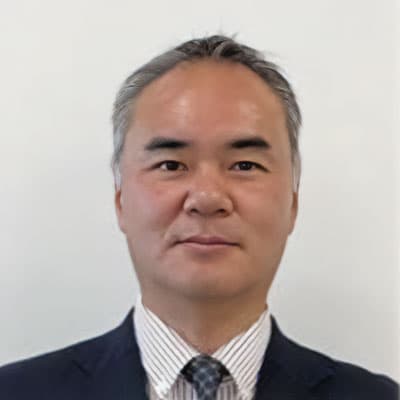
Takeshi Ueda
General Manager, Metals & Mineral Resources Development Dept., Marubeni Corporation

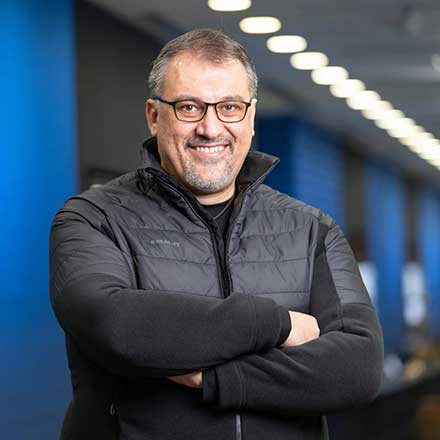
Cristian Vlad
Strategy & Transformation Partner, KPMG Consulting Co., Ltd.
A seasoned veteran of business transformation, organizational development, and innovation initiatives, Dr. Vlad is a Strategy & Transformation Partner at KPMG Consulting Co., Ltd. in Japan. He has been advising global clients on the role of diversity, human capital, creativity, and corporate communications as strategic business drivers to foster innovation and stimulate business growth. His current strategy and transformation work covers a wide variety of topics, ranging from executive succession planning, energy, infrastructure, education, social impact, global advantage, cultural diplomacy and defense.


Every organization's needs are different. With our global learning options, we're ready to help you find the right program to achieve your talent development goals.


.jpg&w=3840&q=75)


