Hitachi Construction Machinery Americas
Solutions:
"Being able to share the same management methodologies and training content between our leadership and our individual contributors felt like it would create a common language across the company." - Yosuke "Stone" Kuroiwa
Hitachi Construction Machinery Americas spent decades distributing heavy equipment across the region, more than 20 of them as a joint venture with John Deere. When that partnership ended in 2022, the company relaunched in North America with 44 employees. Two and a half years later, it had grown past 200. Growth at that pace created two problems at once: a management layer full of first-time leaders who needed to navigate rapid organizational change, and a fast-expanding workforce that needed a shared way of doing business. The company partnered with GLOBIS USA to solve both.
The work runs across two tracks. The first is a layered corporate training architecture: an intercultural management program for leadership, the Business Management Program for upper management, the Business Skills Enhancement Program (BSEP) for individual contributors and early-stage managers, and a dedicated senior leadership track (Customized Programs developed by GLOBIS for LANDCROSS).
The second is GLOBIS Unlimited, deployed across the entire organization, giving every employee access to self-directed learning through a shared platform.
The two tracks are designed to work together. Because leaders and individual contributors draw on the same management methodologies and content, the gap between management and employees narrows, and a common business language spreads across departments.
In October 2025, the company unveiled a new public identity: LANDCROS, built on a founding commitment to a prosperous land and society for the future (LAND) and to being Customer-focused, Reliable, Open, and Solutions-driven (CROS). This case study looks at how the company approached that challenge, and the role that GLOBIS USA played in helping build the organization behind the brand.
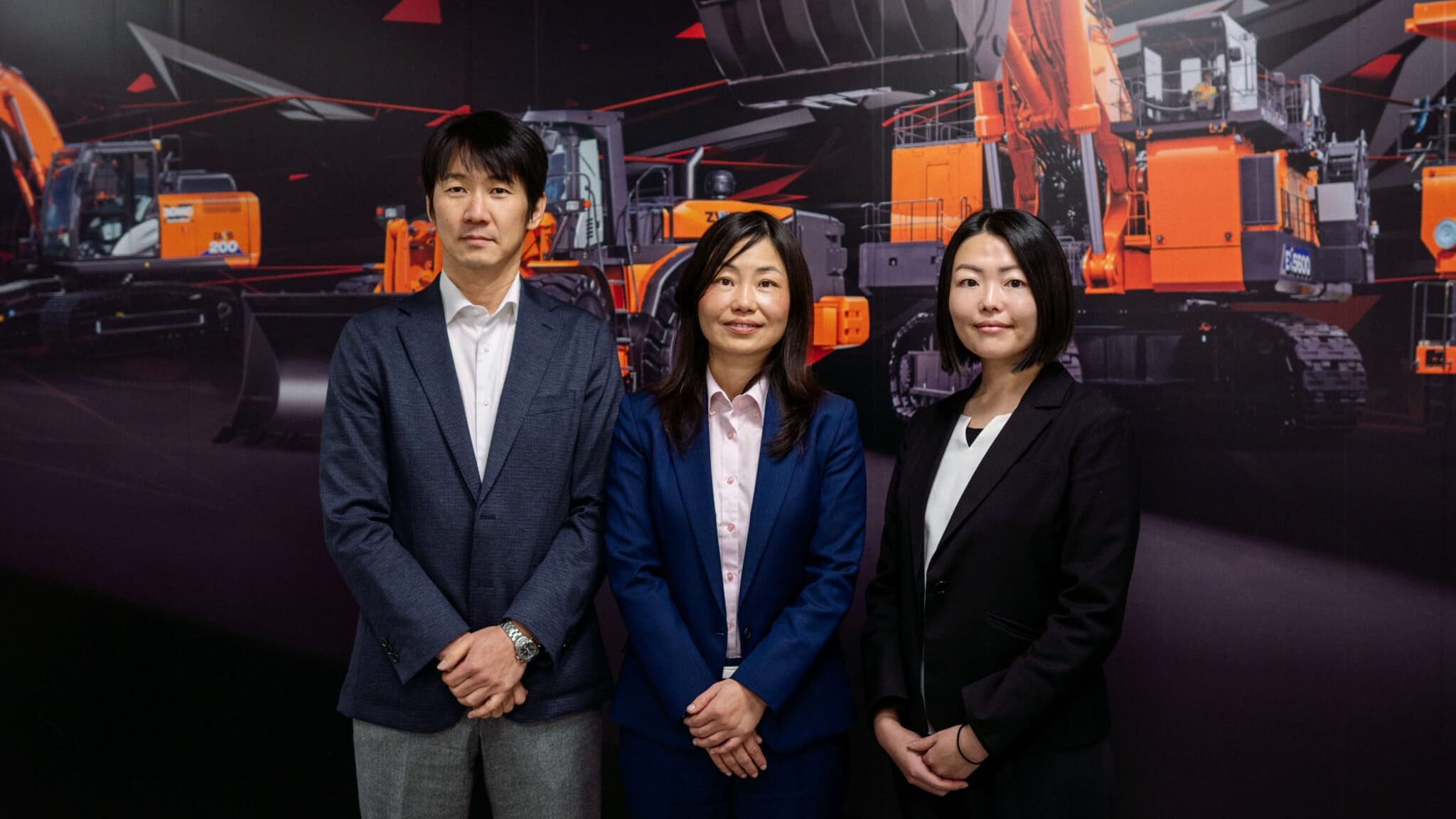
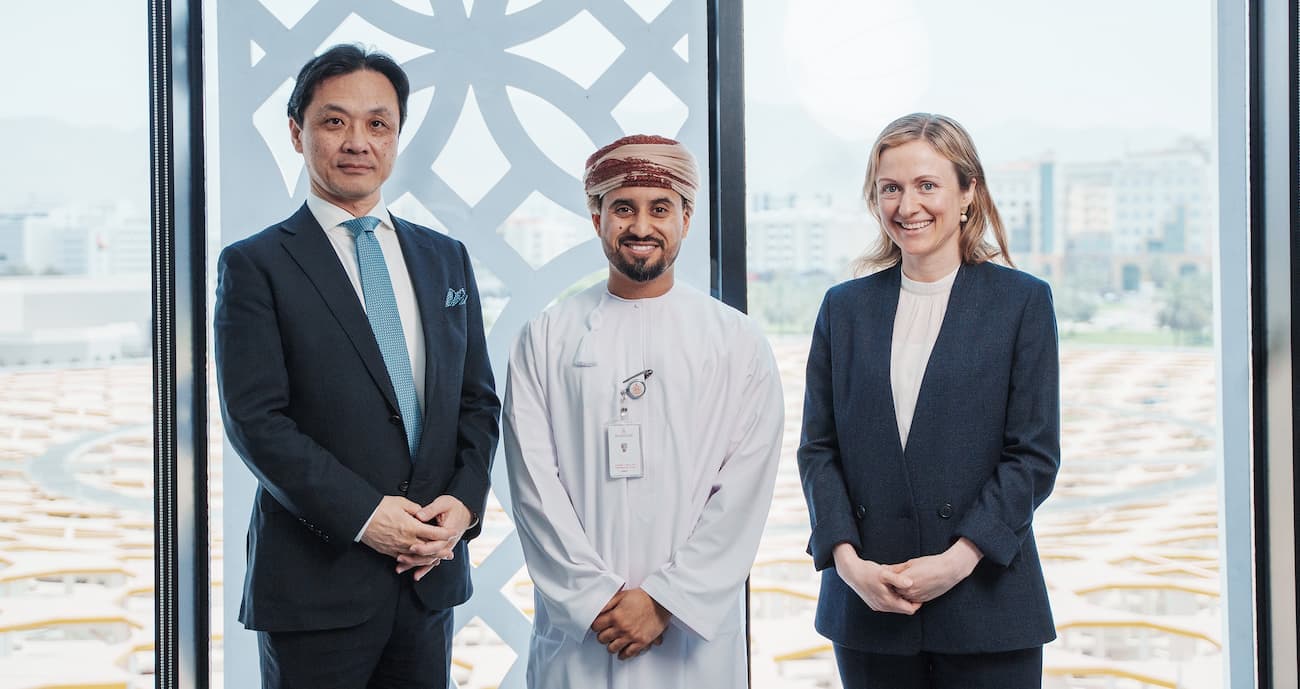
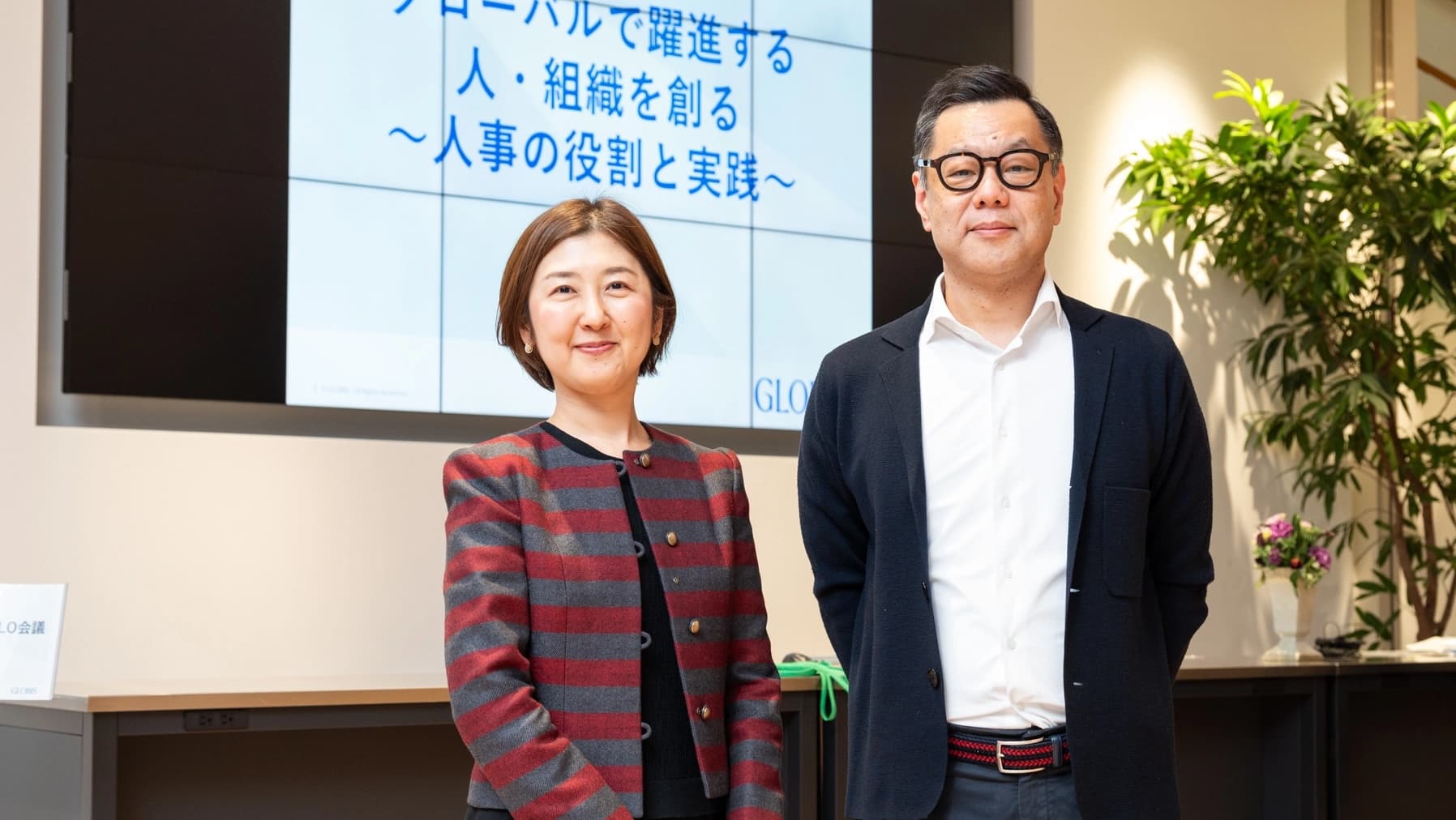
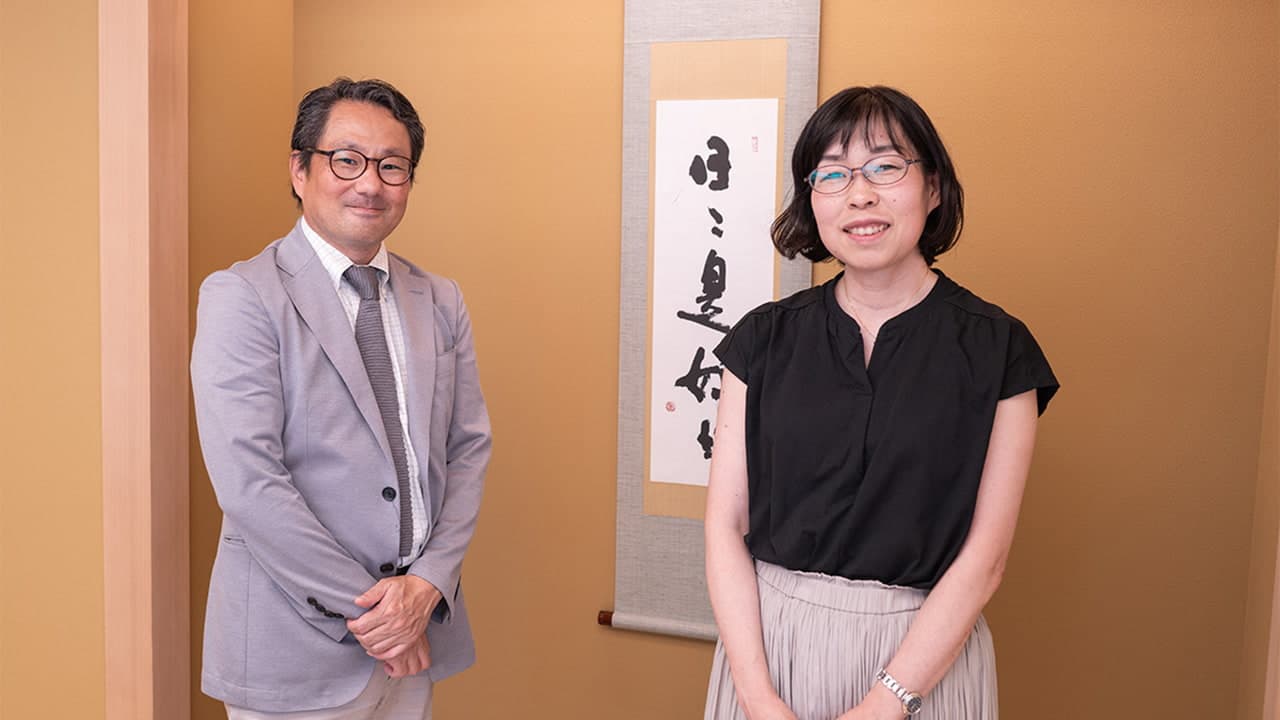
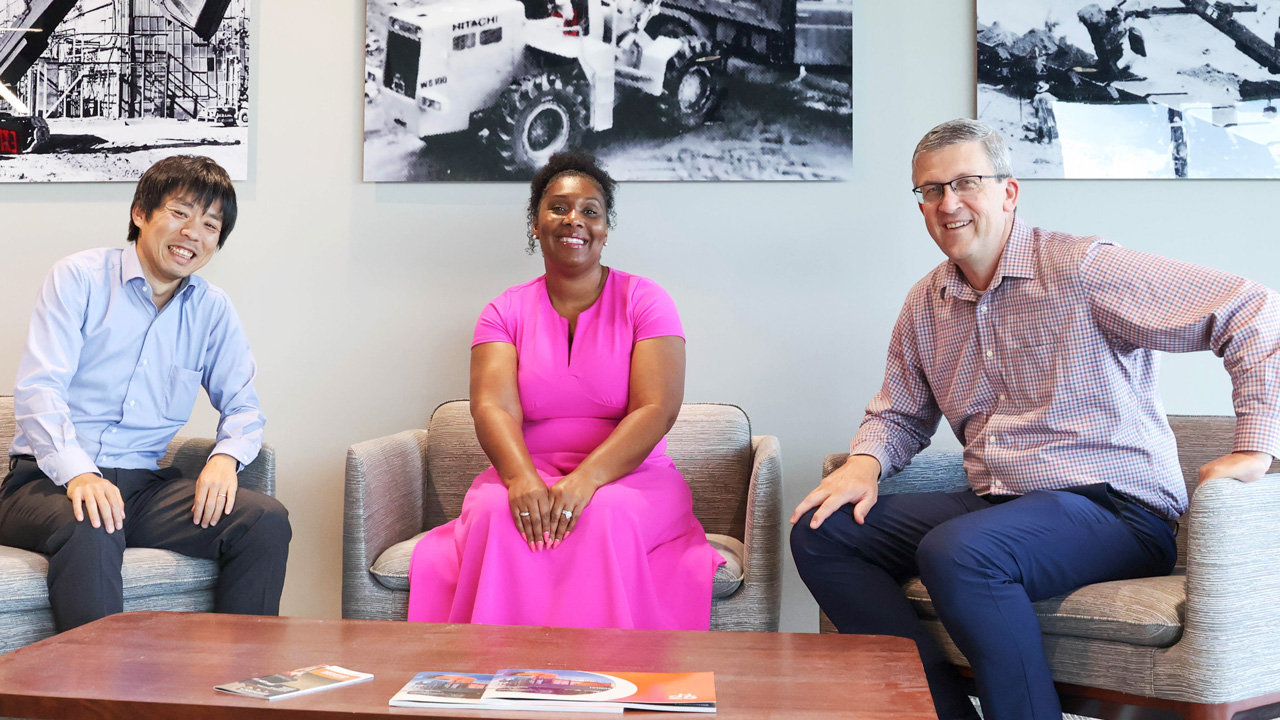
We spoke with Simon Wilson, COO; Yosuke "Stone" Kuroiwa, HR Director, who led the launch of the training partnership; and Marche Favors, the HR team’s champion for GLOBIS programs, who manages corporate training and e-learning day to day.
"I really love to drive toward an inspired organization: one where leadership isn’t looking at it from a top-down culture, but from an engaged, bottom-up one, where our people, our organization in its entirety, are continuously evolving and driving their own needs and changes." - Simon Wilson
For COO Simon Wilson, LANDCROS represents far more than a new logo. "A brand is an emotional representation of a company," he says. "It's very important for us to define what we want the company to be for our customers."
That made the transition especially challenging. Employees had spent years identifying with the Hitachi name, and few expected the change. Wilson's task was helping people move through the transition at their own pace.
Wilson believes in the power of asking why, and the question has taken root inside the company: why LANDCROS? "Why do we exist? Why should we do this? What is the purpose of it?" he says.
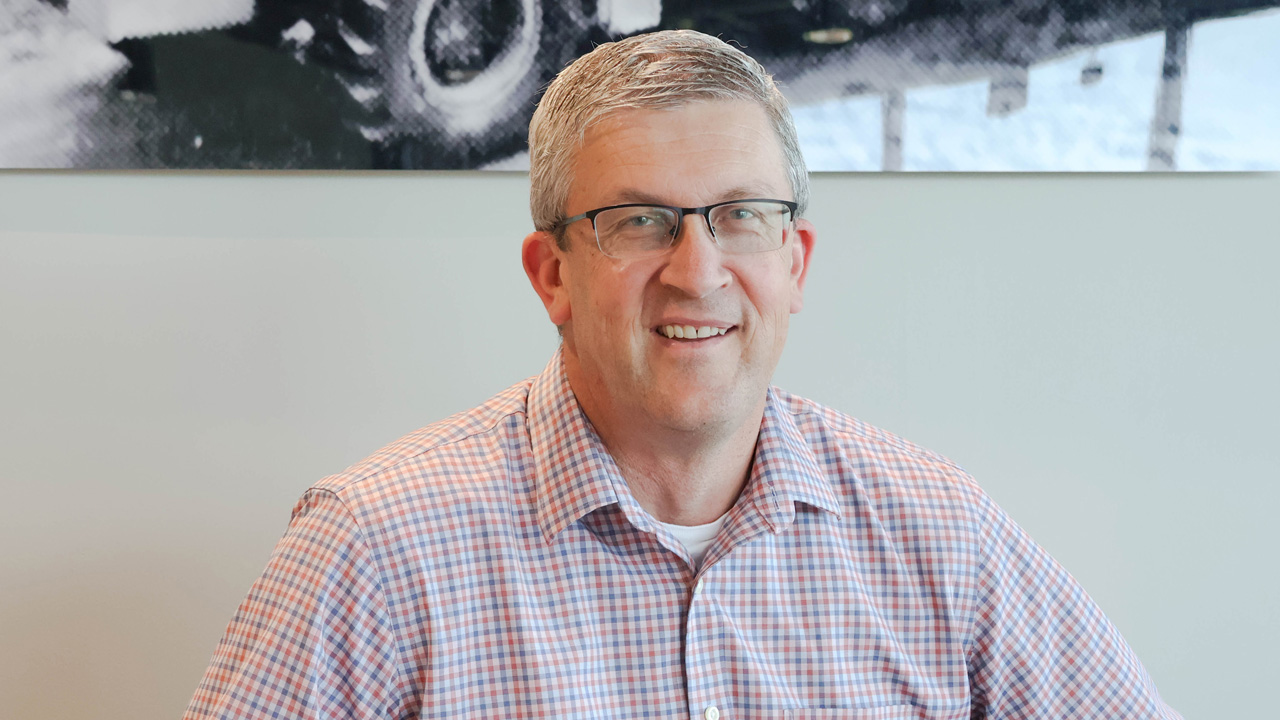
For Wilson, strong leadership looks like people who ask difficult questions like that one and work through the uncertainty themselves, rather than looking to him for answers. "They’re not waiting for me or somebody else to say, this is what we need to do," he says. "They’re doing it and they’re bringing solutions and they’re working through the challenges."
Navigating uncertain times, in other words, depends on having the right people, and a young, fast-growing management layer does not produce them by accident. It is why corporate training became central to the company’s plans.
"We went from 44 people in 2022 to more than 200 people two and a half years later." - Simon Wilson
Hiring at that pace left little room for anything else. Many managers were leading sizable teams only a year or two into their own roles. "We probably should have slowed down in order to speed up," Wilson reflects, a recognition of where the company needed to invest next.
If LANDCROS wanted managers who could carry the organization through a rebrand that would run for years, leadership development had to become intentional rather than incidental.
"Starting from a point where we had no training structure to speak of, we’ve been able to put in place a roadmap for developing talent internally and bringing people all the way up to management level." - Yosuke "Stone" Kuroiwa
The partnership began with Wilson himself. After attending a GLOBIS-run training program at Hitachi Construction Machinery’s headquarters in Japan, he found the content excellent and asked his HR Director, Stone Kuroiwa, newly arrived from the headquarters HR division, to explore whether something similar could be run locally in the US. That was the start of the relationship with GLOBIS USA.
The first program was intercultural management training for directors and senior leaders, still running today. "Through that first experience with the intercultural training, I strongly felt that the fundamental training areas, including the management methodologies built into it, were a great fit for us," says Stone Kuroiwa. "From there, we began consulting with GLOBIS on the various challenges we face."
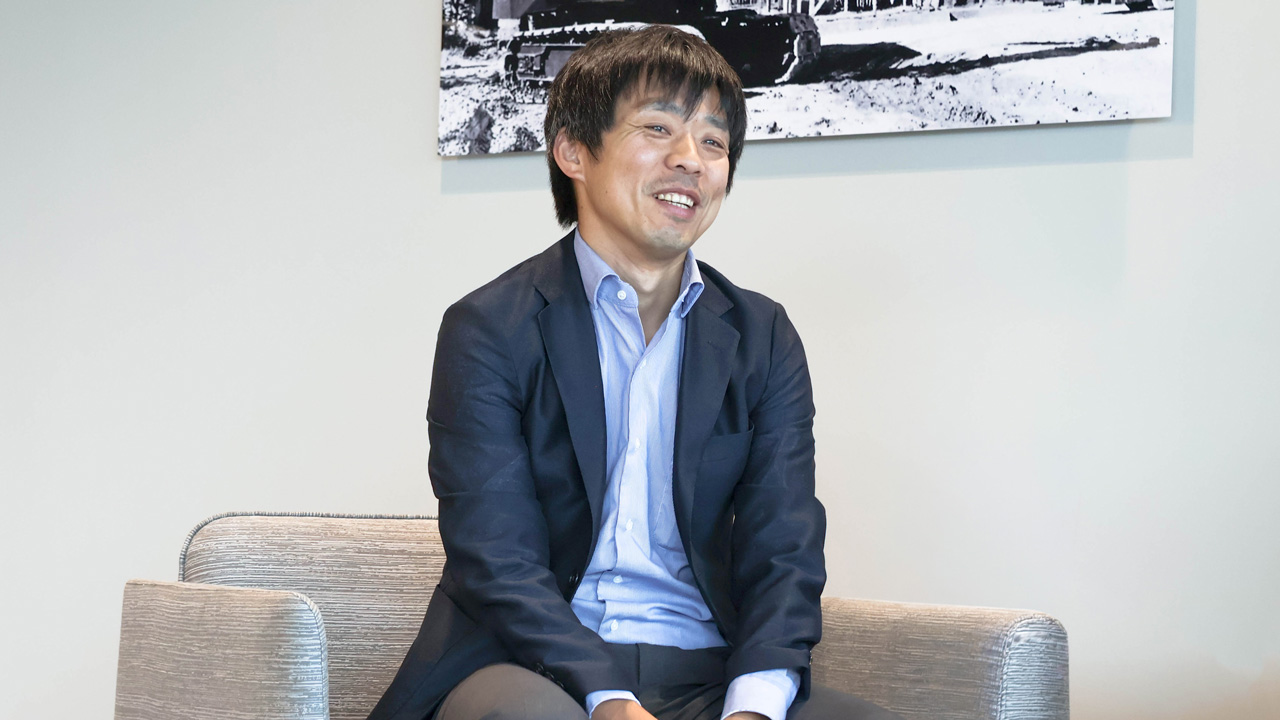
That initial program became the foundation for a wider learning strategy, shaped through regular meetings between the two teams. "I personally feel that GLOBIS does a really thorough job of digging into our company’s challenges," Kuroiwa says, "and based on that, consistently comes to us with tailored solutions."
One need quickly became clear: first-time managers needed more than technical expertise. They needed a common approach to leadership. The Business Skills Enhancement Program (BSEP) was a GLOBIS Customized Program designed for that group.
Participants work in cross-functional teams, applying management frameworks to real business challenges before presenting their recommendations and receiving structured feedback. Now in its fourth year, the program has evolved with every cohort. "It has gradually evolved in form, with the content being customized along the way," Kuroiwa says. "Because GLOBIS provides this kind of continuous, regular dialogue along with precise solutions to match, I feel that’s what enables us to keep collaborating with GLOBIS on an ongoing basis."
Marche Favors, HR team member at LANDCROS, saw the results show up through stronger communication, collaboration across departments, and team building. Kuroiwa points to another indicator: over three years, many BSEP participants have earned promotions, turning the program into an internal signal of leadership potential.
Its reputation has spread accordingly. "Every time a class graduates, we have tons of employees that come over and they’re very interested," Favors says. "When is the next BSEP? How can I get involved? What are some of the things I need to be working on so that I can be identified as someone eligible for this program?"
"I feel like it is a baseline for our employees here who want to move forward in their career," she adds.
"When you say ‘GLOBIS Unlimited’ internally, everyone knows what you mean." - Yosuke "Stone" Kuroiwa
Leadership programs can only reach so many people. As the company grew beyond 200 employees, it wanted to raise the baseline capability of the whole workforce, and for learning to become part of everyday work rather than something reserved for managers.
GLOBIS Unlimited made that possible by giving every employee access to self-directed learning. For Favors, its purpose is straightforward. "Employee motivation and self-learning," she says. "That’s what I think of."
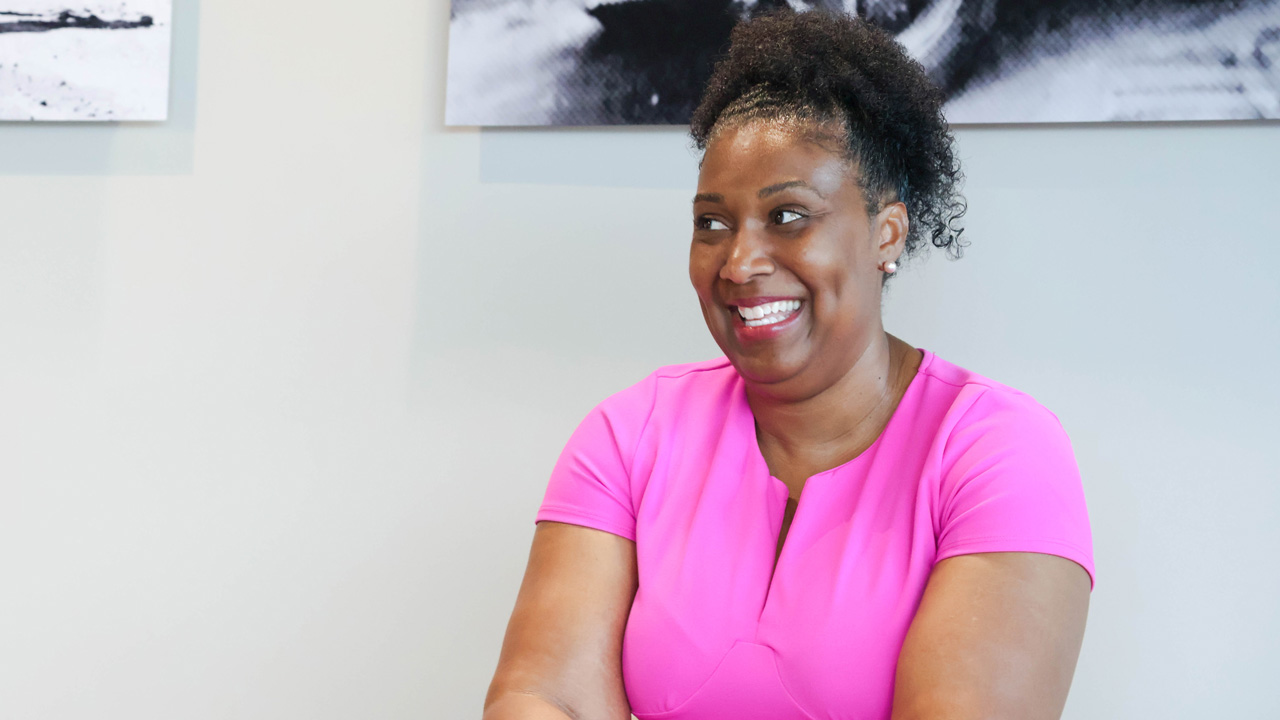
Making a voluntary video platform succeed took deliberate work on both sides. "I worked directly with GLOBIS to make sure that we provided courses that we felt the employees would be able to utilize and would learn skills from," Favors says. Each learning path was refined with survey feedback from the last, and engagement was reinforced by design: curated paths, biweekly participation updates in the company’s internal newsletter, senior managers who made sure teams had time for the courses, and friendly competition to sustain momentum.
Engagement was exceptionally high. On the Winter Learning path, completion reached 98.5%, a rare figure for voluntary e-learning, where motivation typically fades within weeks.
The company has also kept intercultural understanding at the center of its learning strategy. Intercultural management was the very first program it introduced, required of all employees, and the Japanese business culture courses on Unlimited are a direct extension of it. "Japanese culture is a huge part of our environment and our workplace," Favors says. Being able to offer courses such as meishi (business card etiquette) and nemawashi (consensus-building) made sense given how important that culture is here, particularly for employees who work daily with Japanese counterparts.
For management, the interest came as a pleasant surprise. "The survey results showed that employees wanted to work better with Japanese management and felt they should learn these things to improve their own performance," Kuroiwa says.
"If we don’t have people who believe in the brand and believe in what we’re doing, we’ll just be another mediocre equipment supply company." - Simon Wilson
Because BSEP, intercultural training, and GLOBIS Unlimited draw on the same management frameworks, employees across the organization now share a common vocabulary for discussing leadership and business challenges.
Kuroiwa says managers and employees now compare notes on courses they've both completed. Awareness of learning and development has increased, along with employees' motivation for self-directed growth.
For Wilson, that engagement is the whole point. "People want to be part of something. They don’t want to be just a [person doing their] job," he says. In his view, learning and development is what creates that attachment, and the attachment is what will define the company. "It’s not going to be the product, it won’t be the services. It’s going to be our people and how our people evolve and change and drive. That’s what the company is going to be."
"I believe the future companies that are going to be deemed successful have to have a very integrated learning and development program, one that allows people to grow from their infancy with the company all the way to their maturity and longevity within it," he adds.
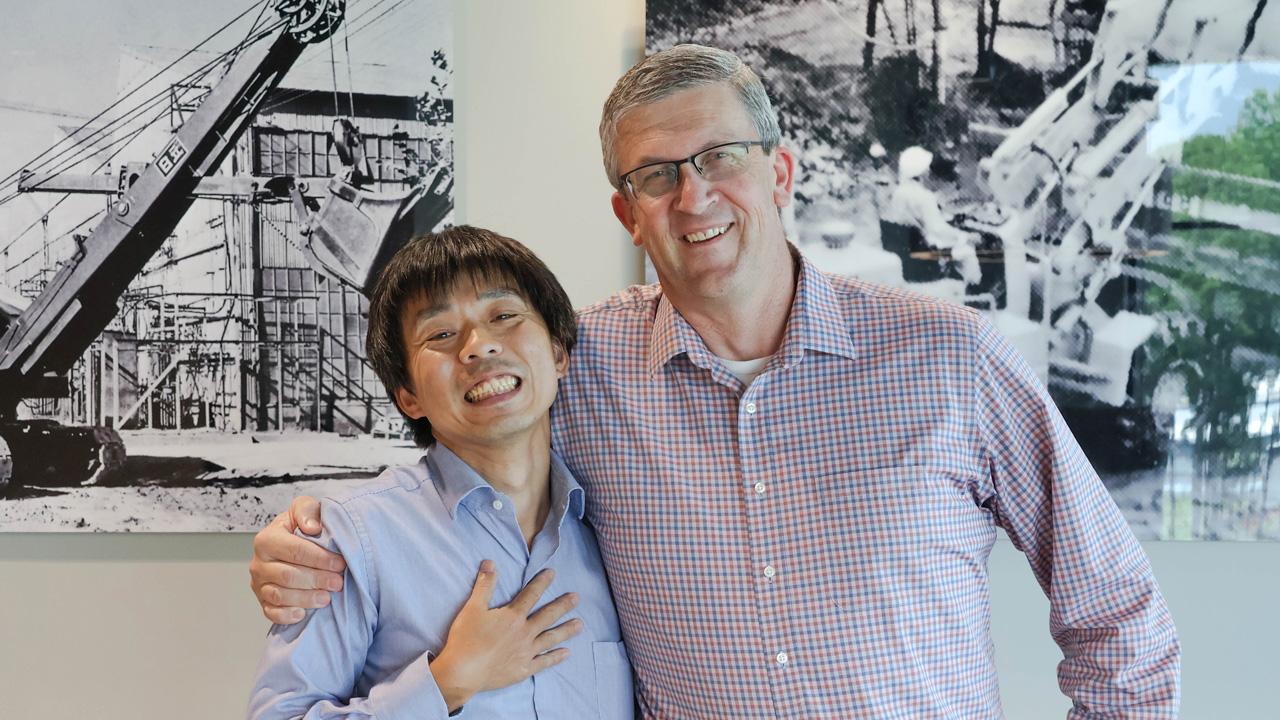
"Cultivating our culture is going to become an important focus." - Yosuke "Stone" Kuroiwa
Wilson describes the goal as creating an "inspired organization," where employees drive change themselves rather than waiting for direction from above. He sees learning as one of the foundations of that culture.
The learning culture GLOBIS helped build is part of how he sees that taking shape. Courses have become an opportunity for conversation across the company, and participation has stopped feeling like an obligation. "They’re not doing it just because that’s the job," Wilson says. "It’s more about, hey, this was a good thing to do. And I feel inspired to be part of this company."
For Wilson, the priority remains the same. "I love building teams and I love empowering people and seeing people get their full potential," he says. "It’s what makes me tick."
Kuroiwa sees the next phase as building on the foundations already in place. "Including things like our rebranding, cultivating our culture is going to become an important focus," he says. "The question becomes how we can approach that through training, and I believe one key layer in that will be strengthening our middle management."
The legal transition to LANDCROS will conclude in April 2027. Building the organization behind the name is a longer journey. Through its partnership with GLOBIS USA, the company is investing in the leaders, culture, and shared capabilities it believes will define its future.
Every organization's needs are different. With our global learning options, we're ready to help you find the right program to achieve your talent development goals.